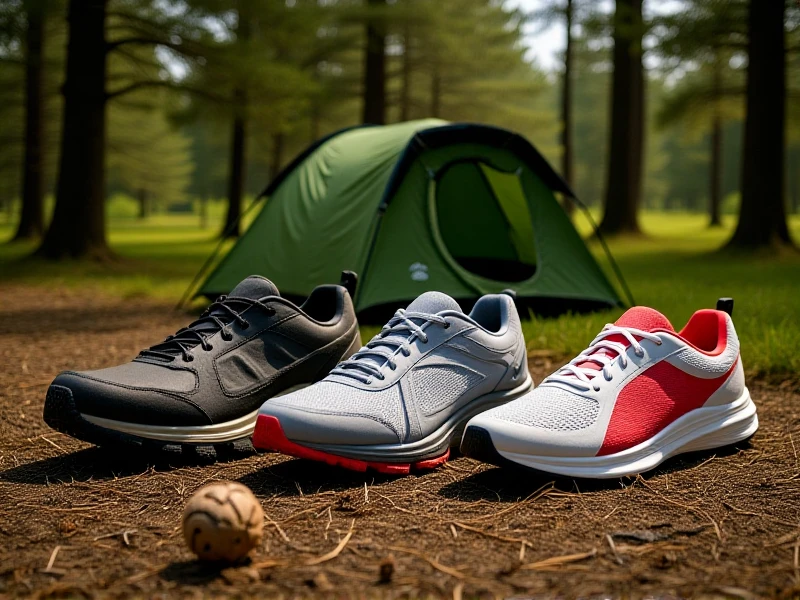
The Ultimate Guide to Choosing the Best Running Shoes
Finding the perfect pair of running shoes isn't just about style; it's essential for comfort, injury prevention, and maximizing your performance. Whether you're a seasoned marathoner or just starting out on your fitness journey, selecting the right footwear makes all the difference.
At the heart of any good run is proper support and cushioning, and that starts with your running shoes. Your feet absorb significant impact with every stride, and the primary job of a well-designed running shoe is to mitigate that shock, protect your joints, and provide a stable platform.
However, not all running shoes are created equal. Several critical factors influence which pair is best for you:
- Your Foot Type & Gait: Understanding whether you have a neutral arch, low arches (overpronation), or high arches (supination) is crucial. Many specialty running stores offer gait analysis to observe how your foot strikes the ground and rolls. This determines if you need neutral shoes, stability shoes (for overpronation), or motion control shoes (severe overpronation). Running shoes are specifically engineered to address these biomechanics.
- The Terrain: Where do you run most often? Road running shoes have smoother soles optimized for pavement. Trail running shoes feature aggressive lugs for traction and often have reinforced uppers for durability on rough, uneven terrain. Matching your shoe to the surface enhances safety and grip.
- Cushioning Level: Preferences vary widely. Some runners love plush, maximal cushioning that feels like running on clouds, ideal for long distances or runners seeking joint protection. Others prefer minimal cushioning for a more "grounded" feel and responsiveness. Many find a happy medium with moderate cushioning that offers a balanced blend of comfort and energy return.
- Mileage: Running shoes have a lifespan. Generally, they last between 300-500 miles before the midsole cushioning breaks down and loses its protective ability. Wearing worn-out running shoes increases injury risk significantly.
Here are some essential tips for choosing your next pair:
- Shop Later in the Day: Feet naturally swell throughout the day. Shopping in the afternoon or evening ensures a more accurate fit.
- Socks Matter: Wear the type of running socks you typically use when trying shoes on.
- Thumb's Width of Space: Ensure there's about a thumb's width (roughly half an inch) between your longest toe and the end of the shoe. Your feet need room to expand during a run.
- Try, Test, Trust: Don't just stand in them. Walk around the store vigorously. Some stores allow you to jog briefly on a treadmill (check their policy).
- Prioritize Fit: The perfect running shoes should feel secure but not tight, supportive without pressure points, and comfortable immediately. You shouldn't rely on a lengthy "break-in" period.
Investing time in finding the right running shoes is an investment in your health and running enjoyment. It prevents common overuse injuries like shin splints, plantar fasciitis, and knee pain, allowing you to run consistently. Remember, the best running shoes are genuinely the ones that fit your feet and meet your running style and goals. Visit a reputable running specialty shop for expert fitting guidance tailored to your stride and foot shape. Hit the road (or trail!) with confidence in your perfectly matched footwear!