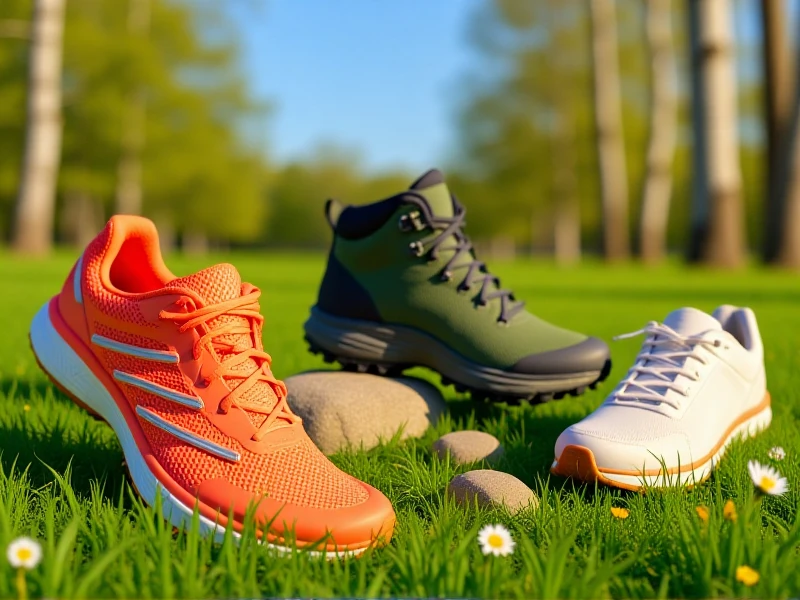
Beyond Sneakers: Why Investing in Proper Hiking Shoes Elevates Every Trail
Here is an SEO-friendly article targeting the keyword "Hiking Shoes," written naturally and formatted as requested:
Step onto any trail, and you'll see them: people tackling roots, rocks, and mud while wearing everyday sneakers or worn-out trainers. While it might seem fine for a short stroll, venturing further without proper hiking shoes is inviting discomfort or even injury. The right pair isn't just footwear; it's essential gear that transforms your outdoor experience.
Why do dedicated hiking shoes matter so much? It boils down to specialized design for challenging terrain. Unlike regular sneakers, genuine hiking footwear focuses on key areas:
- Traction & Stability: Aggressive, lugged rubber outsoles, often made by specialists like Vibram, grip loose dirt, slippery rocks, and muddy slopes like nothing else. This prevents slips and builds confidence on uneven ground. A wider footprint enhances stability.
- Support & Protection: Your ankles and feet need much more help on rugged trails than on pavement. Sturdy midsoles provide underfoot cushioning against sharp rocks, while structured uppers and heel counters offer crucial ankle support, reducing strain and the risk of rolls. Protective toe caps shield your feet from stumps and rocks.
- Durability: Constructed with tough materials like abrasion-resistant synthetics, leather, and reinforced stitching, hiking shoes are built to withstand the persistent punishment trails deliver. They resist rips, tears, and sole separation.
- Weather Defense: Many models offer impressive water resistance through membranes like GORE-TEX®. While not usually fully waterproof in deep streams, they keep feet significantly drier in wet grass, morning dew, or light rain. Breathable designs prevent sweaty feet during warmer hikes.
But with countless options (boots, mid-height, trail runners), how do you choose?
- Terrain & Distance: Rugged, steep, or multi-day trips demand high-ankle support boots. Well-maintained trails often suit lightweight low-cut hiking shoes or trail runners.
- Fit is Paramount: Visit a specialty outdoor store. Try shoes at the end of the day when feet swell. Wear the socks you hike in. There should be minimal heel slip, no pinching, and some room for toe splay, especially on descents.
- Break Them In: Never wear brand-new hiking shoes for a major hike. Wear them around town or on short walks first to soften materials and identify pressure points.
Remember that time your feet ached after slipping all day? Investing in well-fitted hiking shoes specifically designed for the trail solves those core problems. They provide the secure footing, essential support, and durable protection that keep your focus on the stunning scenery, not sore feet. Whether exploring local parks or tackling mountain summits, the right foundation makes every step safer and more enjoyable. Don't let your footwear hold back your next off-road adventure – choose the support made for the journey.