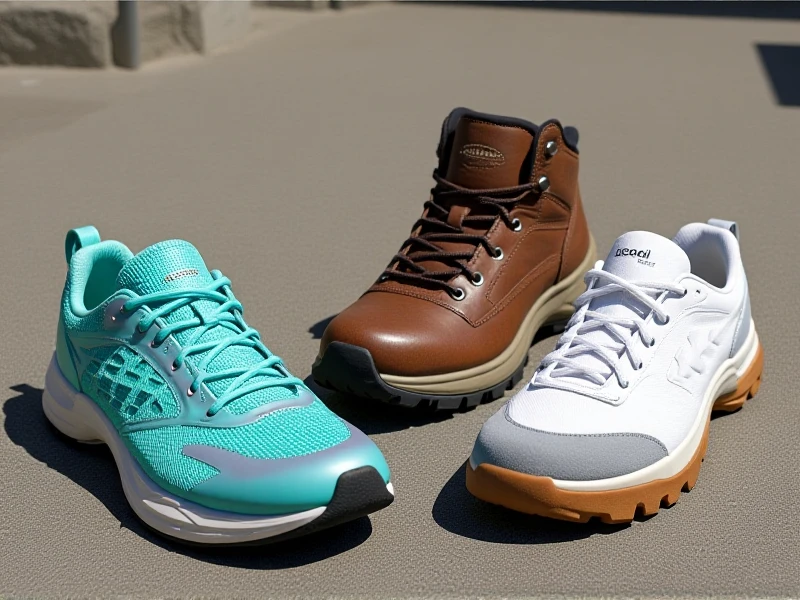
Finding Your Perfect Pair: Your Ultimate Running Shoes Guide
Choosing the right running shoes isn't just about fashion; it's fundamental to your comfort, performance, and injury prevention. With countless options crowding the shelves, finding the ideal pair can feel overwhelming. This guide cuts through the noise, focusing on the key factors to match you with running shoes that genuinely support your stride and goals.
It Starts with Your Feet & Gait: Your unique biomechanics dictate shoe requirements. Are you a neutral runner, or do you overpronate (feet rolling inward) or supinate (rolling outward)? Many specialty running stores offer gait analysis – a worthwhile investment. This identifies if you need neutral shoes, stability running shoes for overpronation, or motion control for severe cases.
Consider the Terrain: Where will you log most miles?
- Road Running Shoes: Designed for pavement and treadmills. They're typically lightweight, flexible, and prioritize cushioning to absorb impact on hard surfaces. Look for durable outsoles.
- Trail Running Shoes: Built for dirt paths, rocks, and mud. Expect aggressive tread (lugs) for superb traction, added stability features like rock plates for underfoot protection, and often more rugged, water-resistant uppers.
- Cross-Training/Hybrid Options: For varied workouts or gym sessions paired with running, these offer a more versatile base but might compromise specialist features crucial for high-mileage runners dedicated solely to pavement or trails.
Cushioning: Personal Preference is Key: Don't assume maximal cushion equals best. While high-cushion running shoes excel at impact absorption, ideal for long distances or runners needing joint relief, they can feel less responsive. Minimalist shoes offer ground feel and encourage natural foot movement but demand stronger muscles and careful transitioning. Zero-drop (heel and forefoot same height) falls into this category. Moderate cushion strikes a mainstream balance between comfort and energy return.
Finding the Perfect Fit (Non-Negotiable!):
- Shop Late Day: Feet naturally swell during exercise and throughout the day. Shopping late ensures the best fit under real-world conditions.
- Thumb's Width: Critically important! Ensure there's roughly a thumb's width (1/2 inch) of space between your longest toe and the shoe's end. Your toes should have room to wiggle freely without the heel slipping significantly.
- Width Matters: Many brands offer D (standard) and 2E/4E (wide) options. Don't cram your feet!
- Test Run: If possible, jog a short distance in the store or buy from retailers with generous return policies for test runs at home. Feel for hot spots, heel lock, and overall comfort.
Popular Running Shoe Categories:
- Daily Trainers: Versatile workhorses offering balanced cushioning, durability, and support for everyday miles.
- Stability Shoes: Incorporate features like medial posts or guiding rails to gently correct overpronation.
- Max Cushion: Plush, high-stack shoes designed for ultimate impact absorption over long distances.
- Racing Flats/Speed Shoes: Ultra-lightweight, often with carbon plates for energy return, prioritizing speed over durability – best reserved for race days or speedwork.
- Trail Shoes: Focus on grip, protection, and stability on uneven ground. Look for deep lugs and rock plates.
Finding your perfect running shoes is a personal journey. Prioritize fit above trendy features. Research trusted brand models known for technologies matching your needs – consider Nike, Brooks, ASICS, Saucony, HOKA, or New Balance. Read reviews from runners with similar profiles. When you find the pair that feels "just right" from stride one, they’ll disappear beneath you, letting you focus purely on the joy and rhythm of your run. Invest the time; your feet (and running experiences) will profoundly thank you. Visit [Your Website/Brand Name] shop to explore top-rated options and elevate your running journey!